Site Sentry
Turning high-volume data into a clear “what matters now” experience at decision speed.
| 0→1 Launch in 7 Months | $145M Pipeline Impact | Google Adopter |
Relevant to: real-time alerts, live operations, notification logic, decision velocity, external partner trust, zero-to-one launch.
Context
Product Type
Real-time AI decisioning, alerting, and notification platform
Timeline
7 months (concept → market)
Scope
Built within a broader 60+ person Applications organization spanning product, engineering, QA, and data science, with a focused core team dedicated to Site Sentry. Led stakeholder demos, release communications, sales/customer success enablement, and executive launch-readiness reviews.
Role
Senior Manager, Product & Engineering: led Site Sentry product strategy, roadmap, launch readiness, and execution across product, engineering, design, QA, and applied science partners.
The Bridge: From Real-Time Intelligence to Live Experiences
Site Sentry was built for high-stakes monitoring, but the transferable product pattern is live media: when attention is time-sensitive, the product has to surface the right signal, to the right user, before the moment disappears. That same logic applies to live sports, entertainment, alerts, notifications, key moments, and lean-forward engagement.
The Real Problem
In fast-moving environments, tools don’t create value; clarity does.
What we initially believed:
The product needed a more comprehensive toolbox, one with additional features to help users explore data, export views, and run their own analyses.
What we realized:
In fast-moving environments, tools don’t create value; clarity does.
A product only earns attention if it can answer
What just changed?
Is it important?
What should I look at next?
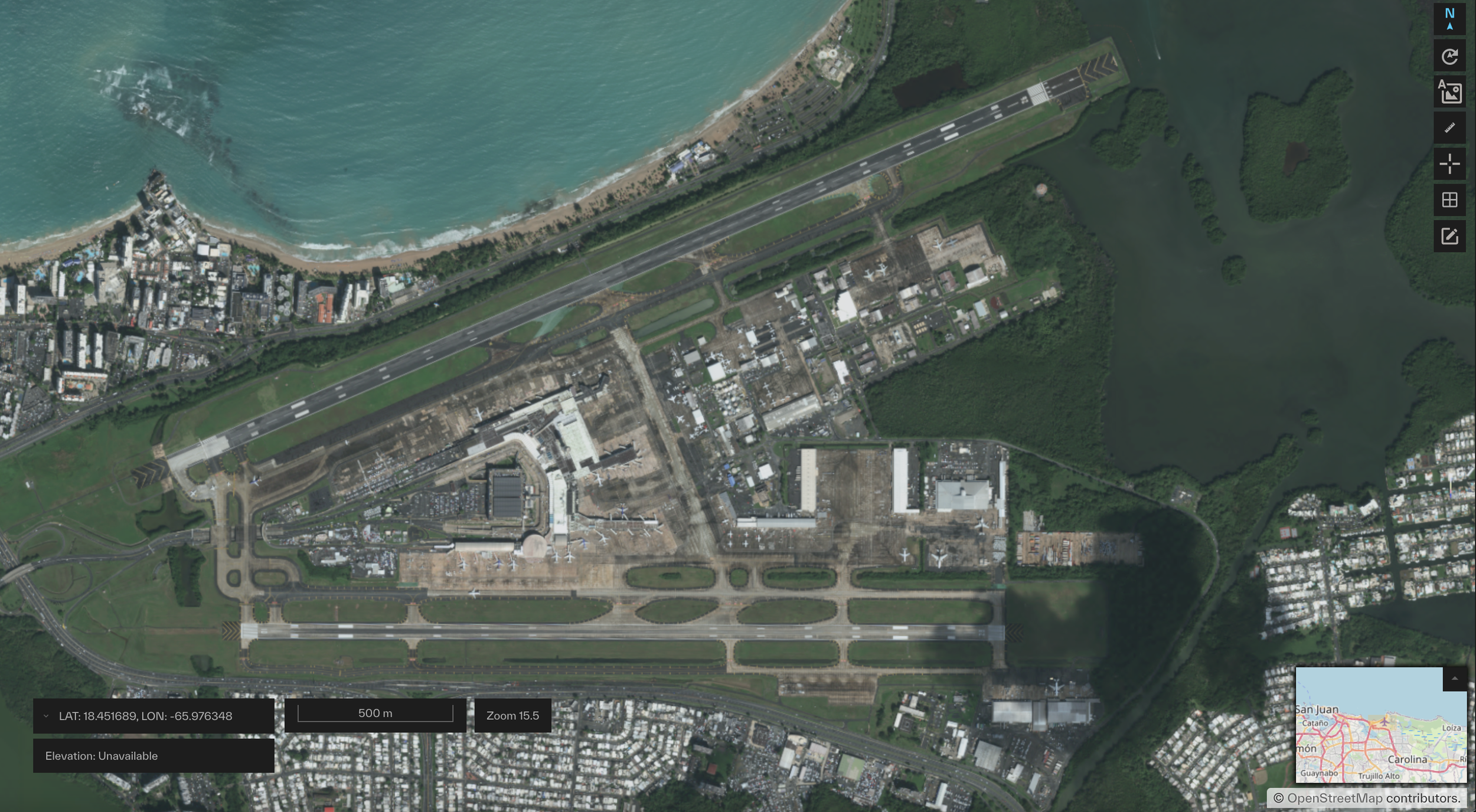
BEFORE: HIGH-VOLUME DATA, NO SIGNAL
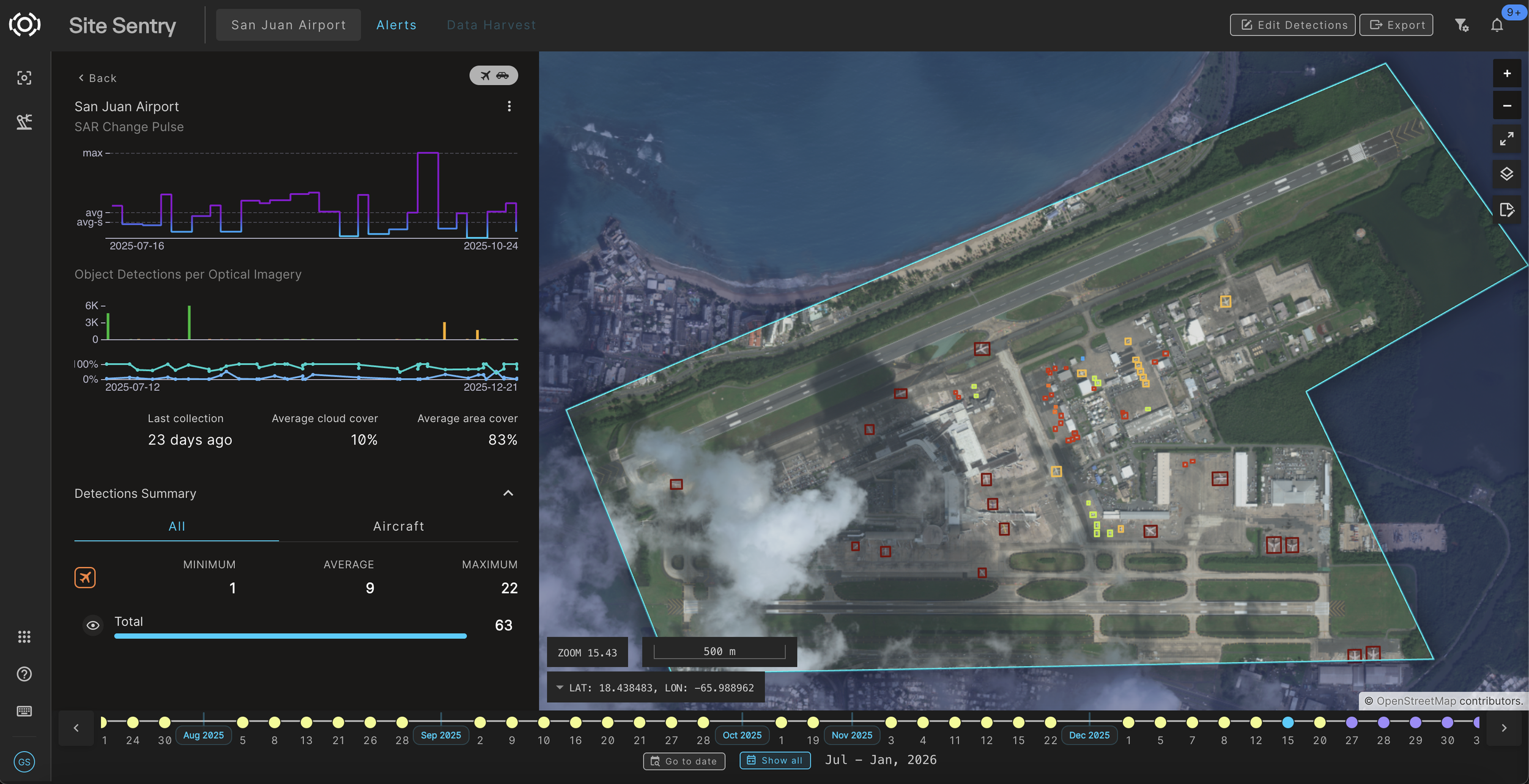
AFTER: CLEAR SIGNAL AT DECISION SPEED
The risk wasn’t under-building features. The risk was shipping something technically capable that users didn’t return to.
The Moment: We shifted the organization from building analytical tools to shipping decision infrastructure, and adoption followed.
The Strategic Tradeoff
We faced a high-exposure 0→1 decision:
The product would be evaluated by external partners and executives before it was structurally “complete,” making early missteps visible and difficult to hide. We had two options:
Option A:
Optimize for completeness and long-term structure.
Option B:
Optimize for early signal, usability, and momentum, accepting short-term imperfections
We chose Option B, prioritizing momentum over structural completeness.
At the time, we had no proof this would work, only conviction that shipping clarity mattered more than shipping completeness. To keep teams aligned,
I set a Value-First rule:
If a feature didn’t directly improve a user’s ability to understand change, it didn’t ship.
What that meant in practice:
We prioritized:
Lightweight sharing so insights could move between people, not just systems
Early AI-driven context layers that explained why something mattered, not just that it happened
We deferred:
Deep administrative controls
Perfect backend abstractions
Edge-case completeness
In the short term, this created friction for power users and required manual workarounds from the team, a cost I accepted to preserve speed and adoption momentum.
The goal was to create a product that felt useful immediately, not one that was theoretically finished
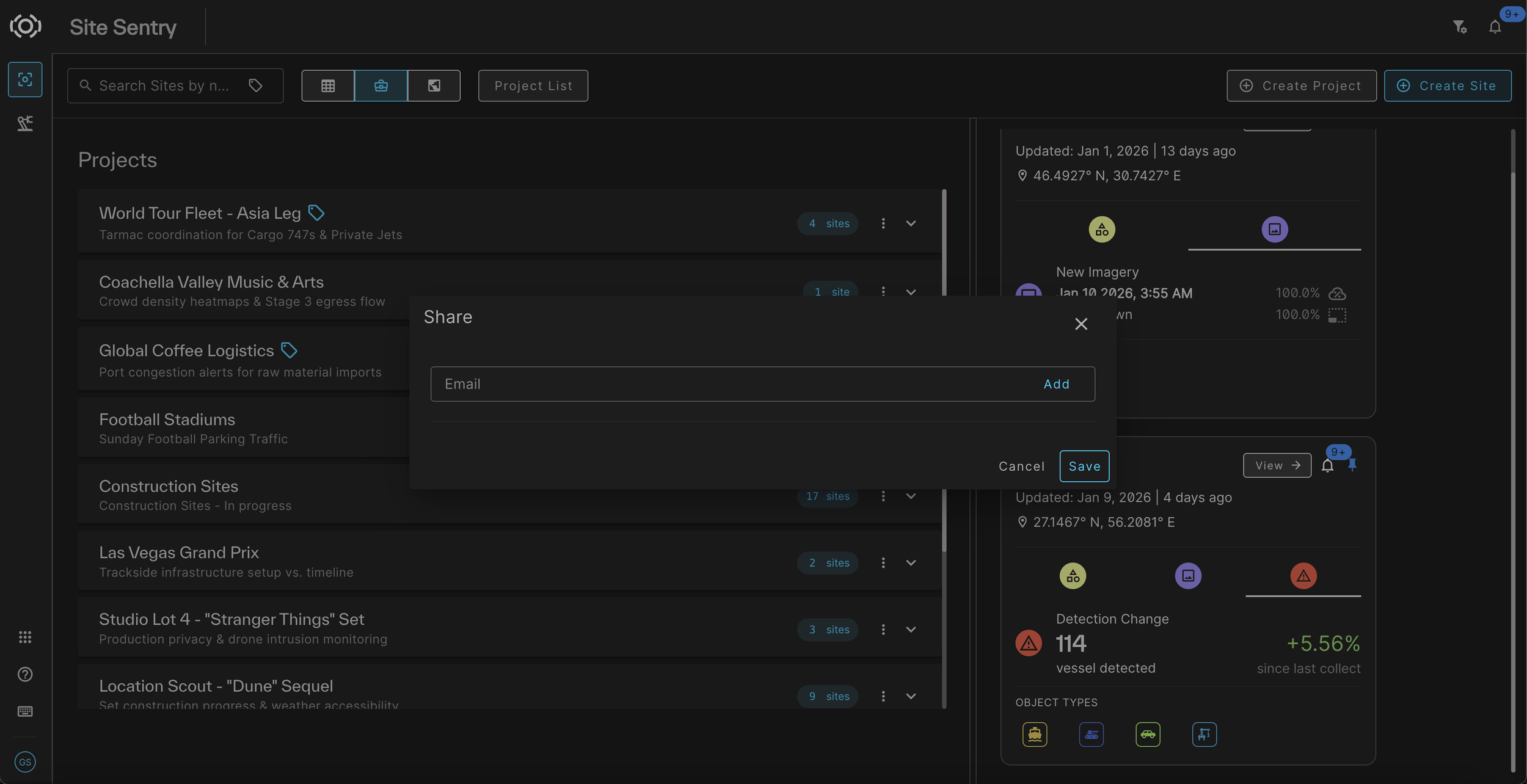
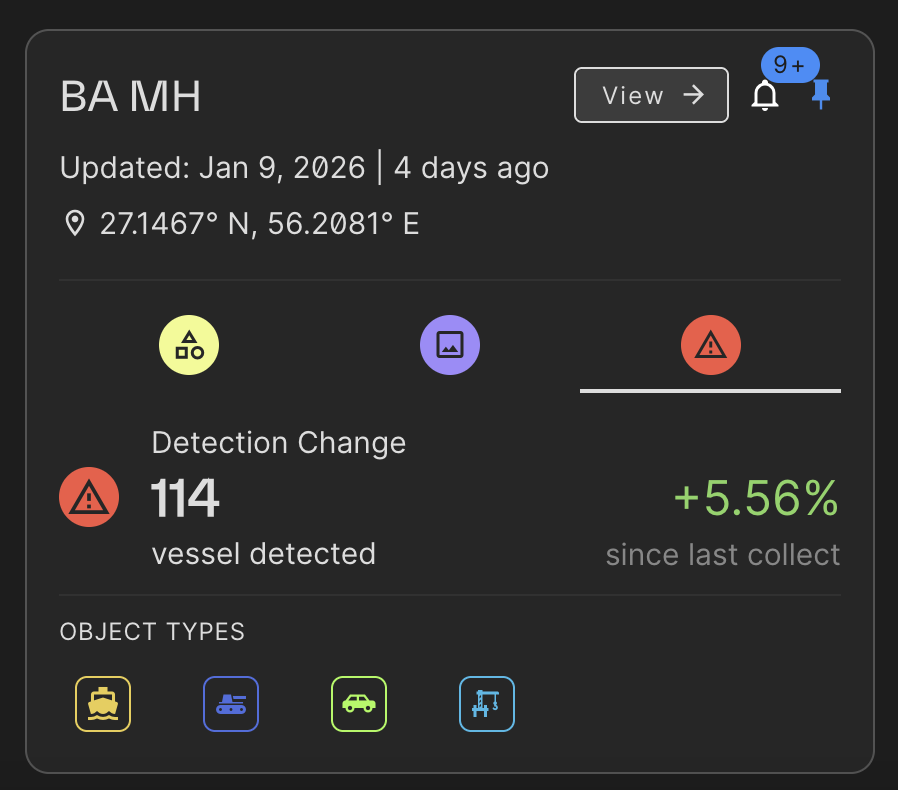
What Had to Be True
For Site Sentry to work, it wasn’t enough for the system to detect change. The product had to make that change understandable, timely, and actionable.
Signal clarity
could users quickly understand what changed?
Actionability
did the alert make the next step obvious?
Signal clarity
Did users come back after the first demo or trial?
Launch Confidence
could the team support high-visibility demos, partner trials, and releases without avoidable risk?
Outcome
The launch validated and tested a core insight
This launch reframed success internally from feature delivery to decision velocity, shifting how teams evaluated progress, adoption, and roadmap tradeoffs.
Impact:
Launched from 0 → 1 in 7 months
Directly contributed to a $145M pipeline
Adopted by global partners, including Google
Had adoption stalled, the responsibility would have been squarely on this prioritization call.
What I’d Do Differently
With the same strategic decision, I would instrument sharing and engagement telemetry from Day 1. That signal would have accelerated experience-based decisions and reduced reliance on qualitative feedback.
Site Sentry shows the execution. Orbis explains the intelligence behind it.