A woman with curly hair wearing a Los Angeles Dodgers cap, holding a bouquet of flowers, outdoors in a sunflower field.

The Plot

Every product tells a story.

Not the one in the launch deck - the one that emerges from constraints, trade-off, timing , and human behavior.

I think about products the same way I think about photographs:
you don’t manufacture meaning, you frame it, wait for it, and decide what matters.

Why “The Plot”

Most portfolios list outcomes.

Mine traces decisions.

Each case study here follows a plot:

  • a context

  • a tension

  • a choice

  • and what that choice sets in motion

Because products don’t succeed or fail in isolation, they evolve inside systems, organizations, markets, and moments.

And so do people.

High-contrast black and white film portrait. A study in lighting and restraint, emphasizing the portfolio's philosophy of 'framing what matters.'
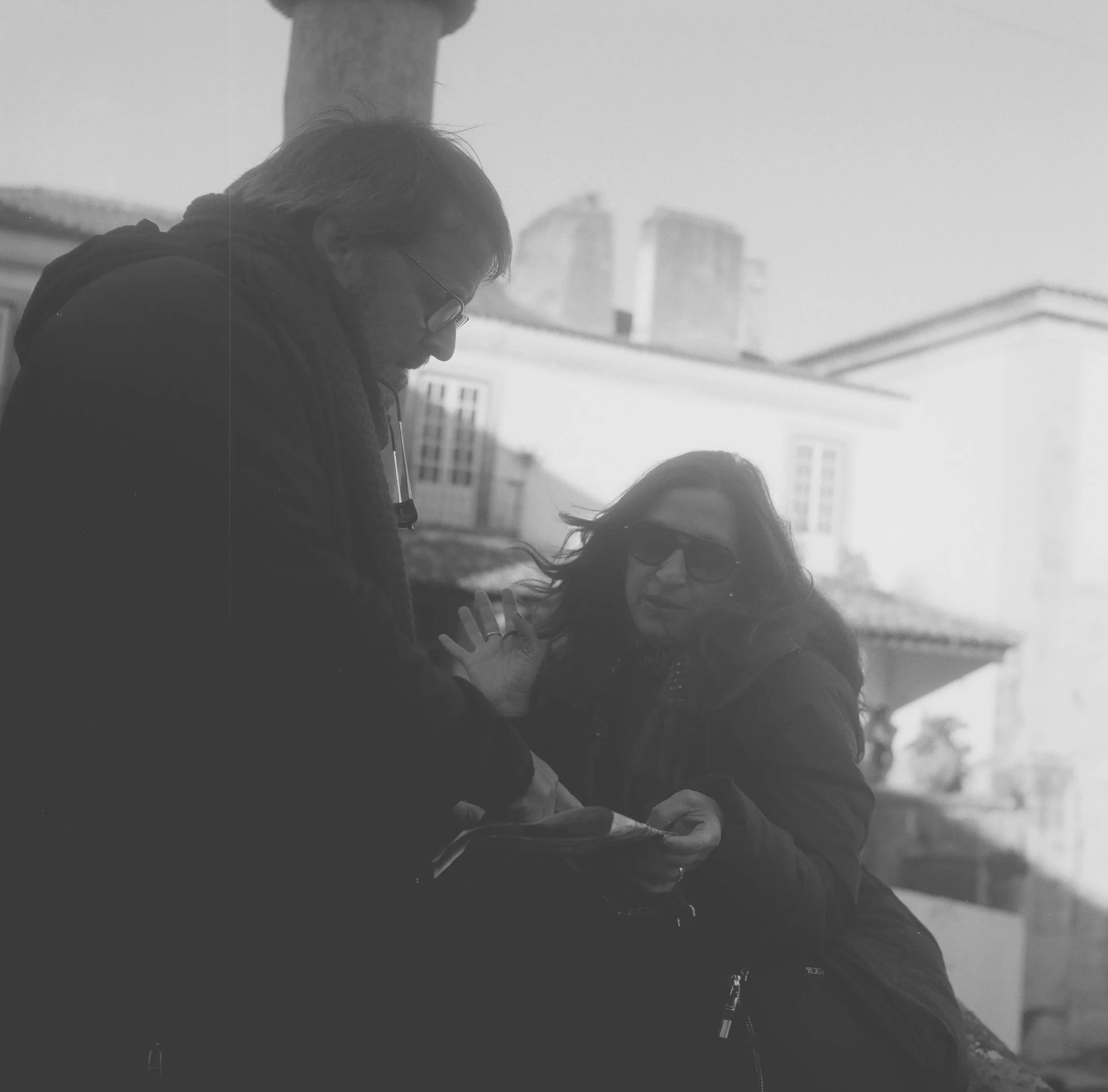
Black and white film capture of travelers navigating a map. Representing the core product themes of direction, decision-making, and wayfinding.
A quiet moment of focus captured on film. Two passengers reading side-by-side, illustrating the 'passive engagement' discussed in the Wavemng case study.

How I Work

I’m drawn to inflection points:

  • when a product hits a plateau

  • when teams optimize locally and lose coherence

  • when speed competes with correctness

  • when utility stops being enough

My work lives in those moments.

I don’t optimize for feature completeness.

I optimize for decision velocity, coherence, and long-term leverage.

Sometimes that means shipping.

Sometimes it means not shipping.

Sometimes it means changing the frame entirely.

Why This Shows Up in My Work

Across very different domains — platforms, marketplaces, intelligence systems, consumer products — the pattern is the same:

The hardest problems aren’t technical.
They’re about interpretation, trust, and alignment.

What should this product mean to the people using it?

What should it remember?

What should it ignore?

And what happens if we get that wrong?

Those are plot questions, not roadmap ones.

Why Photography Is Part of This

Photography taught me restraint.

You can’t control the scene, only where you stand, when you press the shutter, and what you leave out.

Product work is the same.

The best outcomes I’ve had came from:

  • saying no early

  • choosing principles over convenience

  • and letting systems compound instead of chasing short-term wins

The image doesn’t need more elements.

It needs a clearer frame.

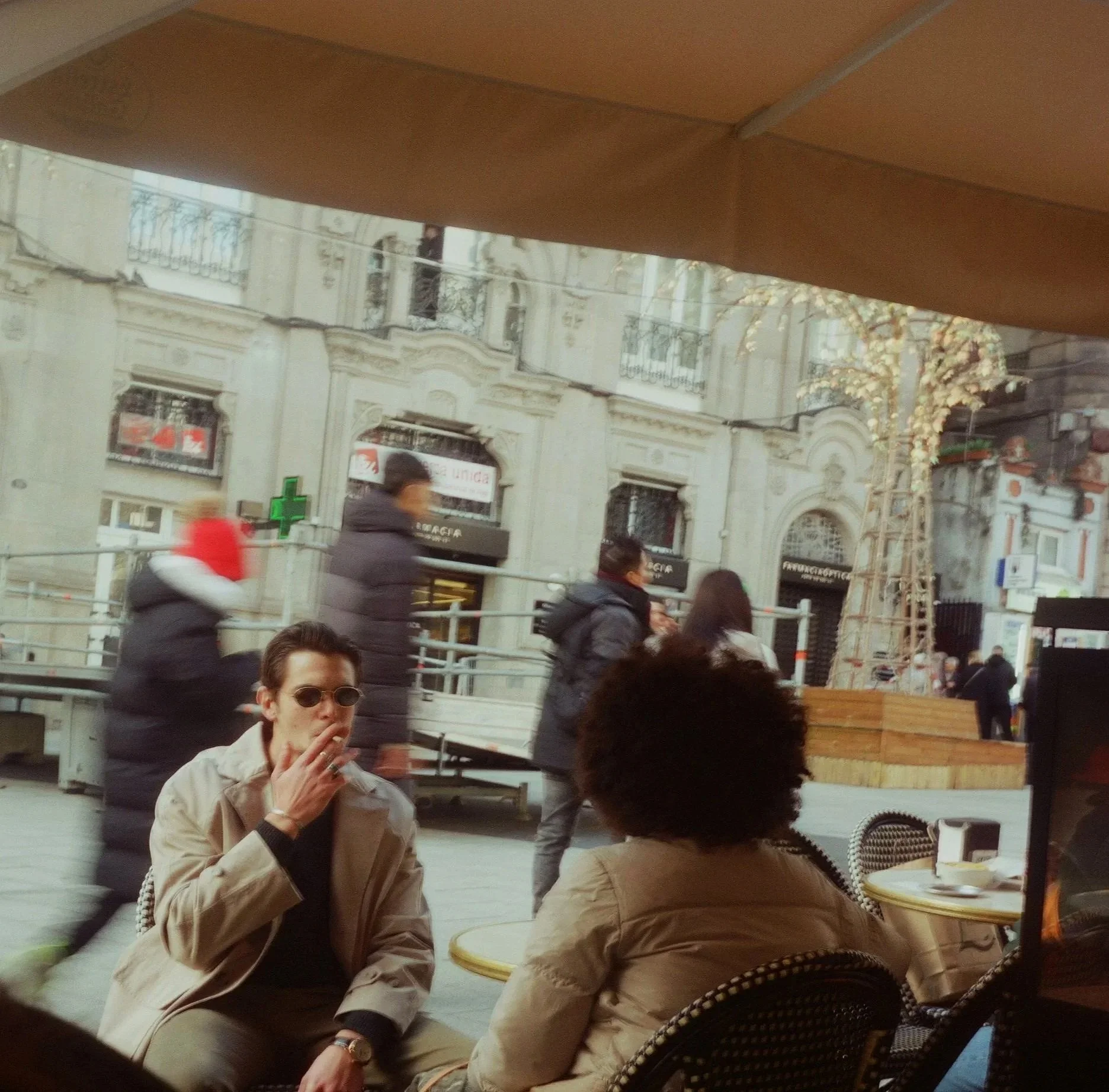
Candid street photography shot on vintage medium format film. Capturing the organic chaos of human behavior in a public square in Vigo, Spain.

The Throughline

Every case study here is different in surface area.
They all share the same underlying belief:

Products become durable when they respect how people actually experience time, emotion, and uncertainty.

That’s the plot I keep returning to,
in products, in systems, and in my own work.

— Gabi

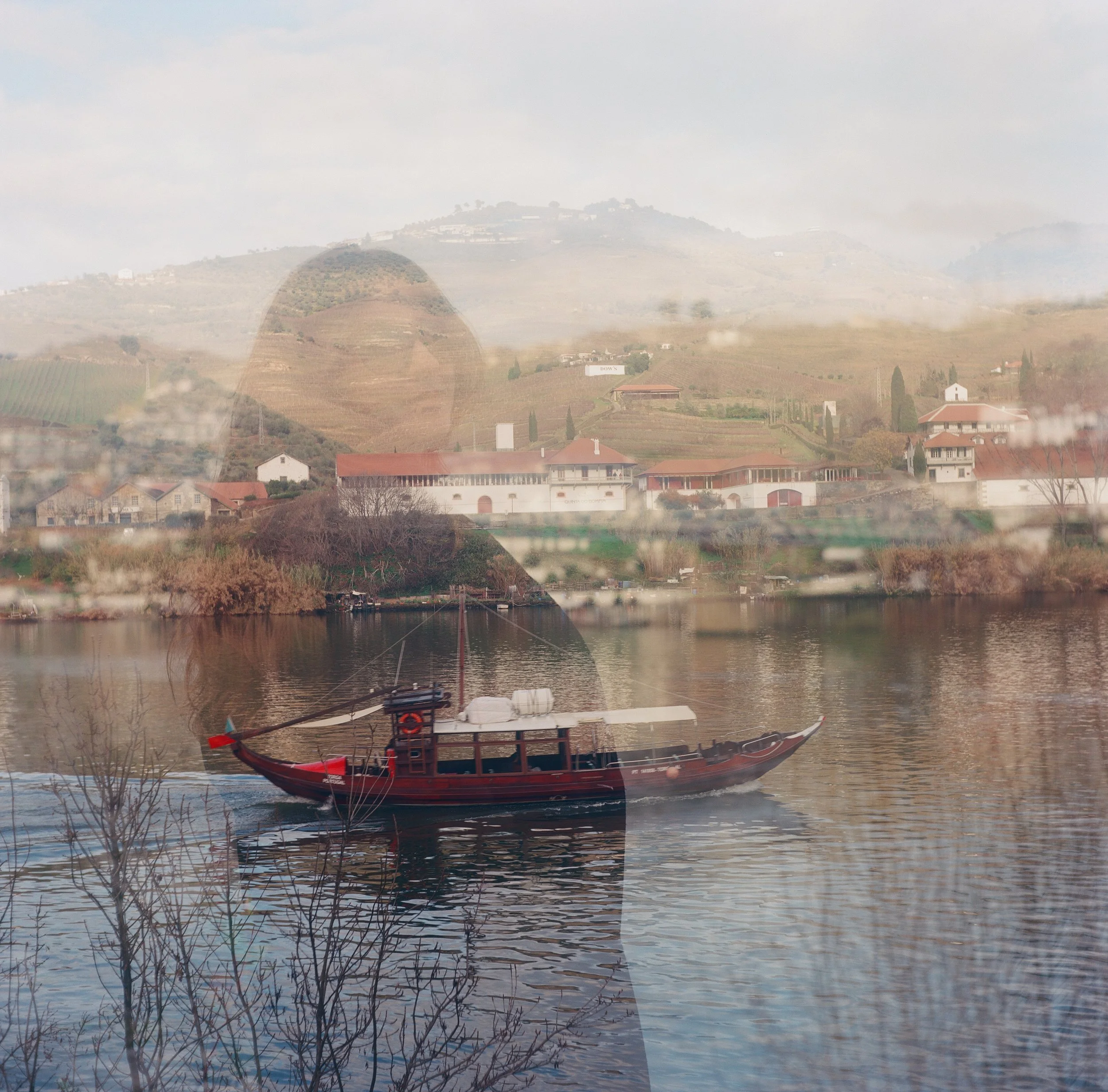
Doble exposure shot on medium format film. Film photography capturing a boat, a girl and river town. A study in perspective and framing the narrative.
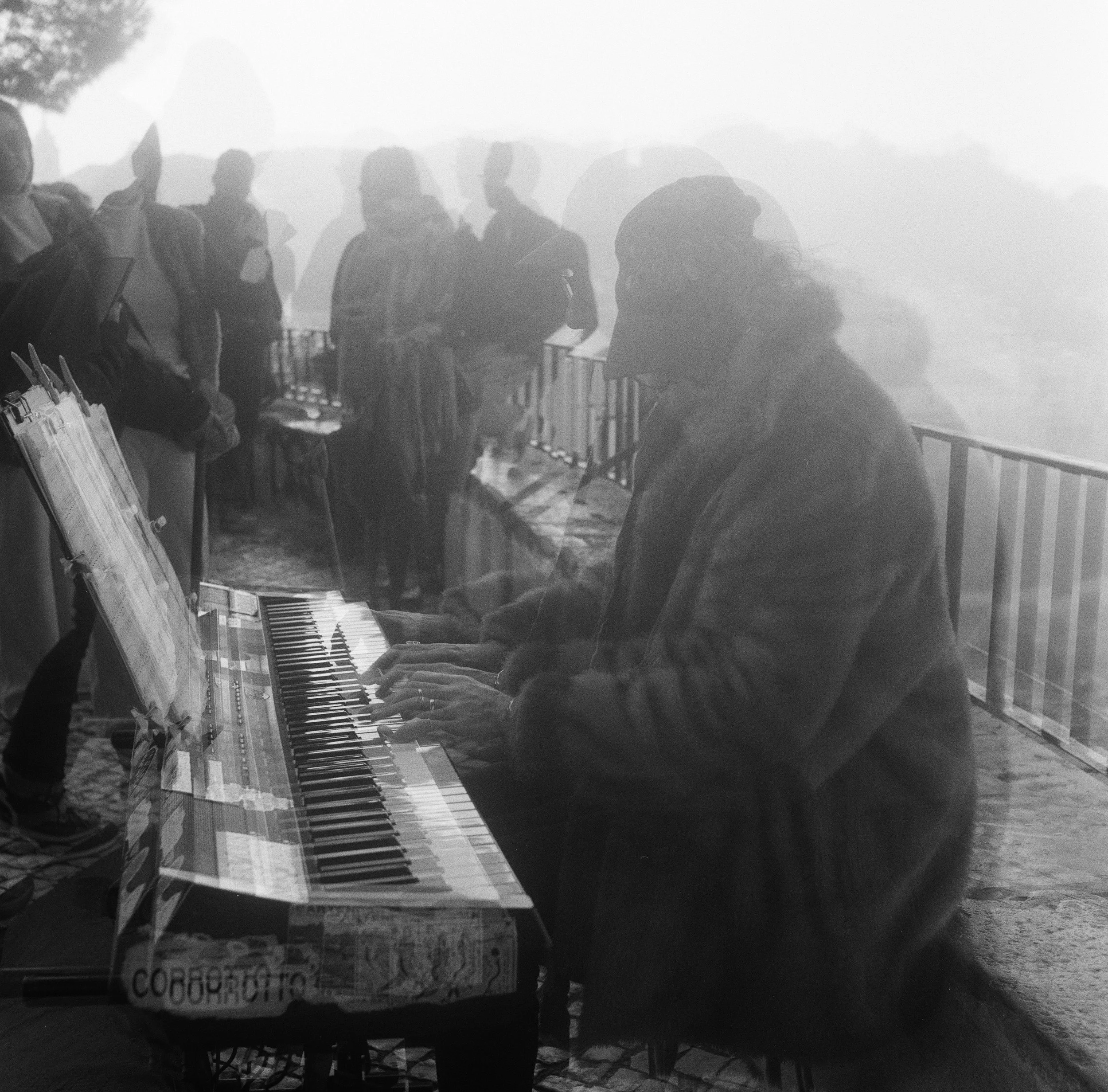
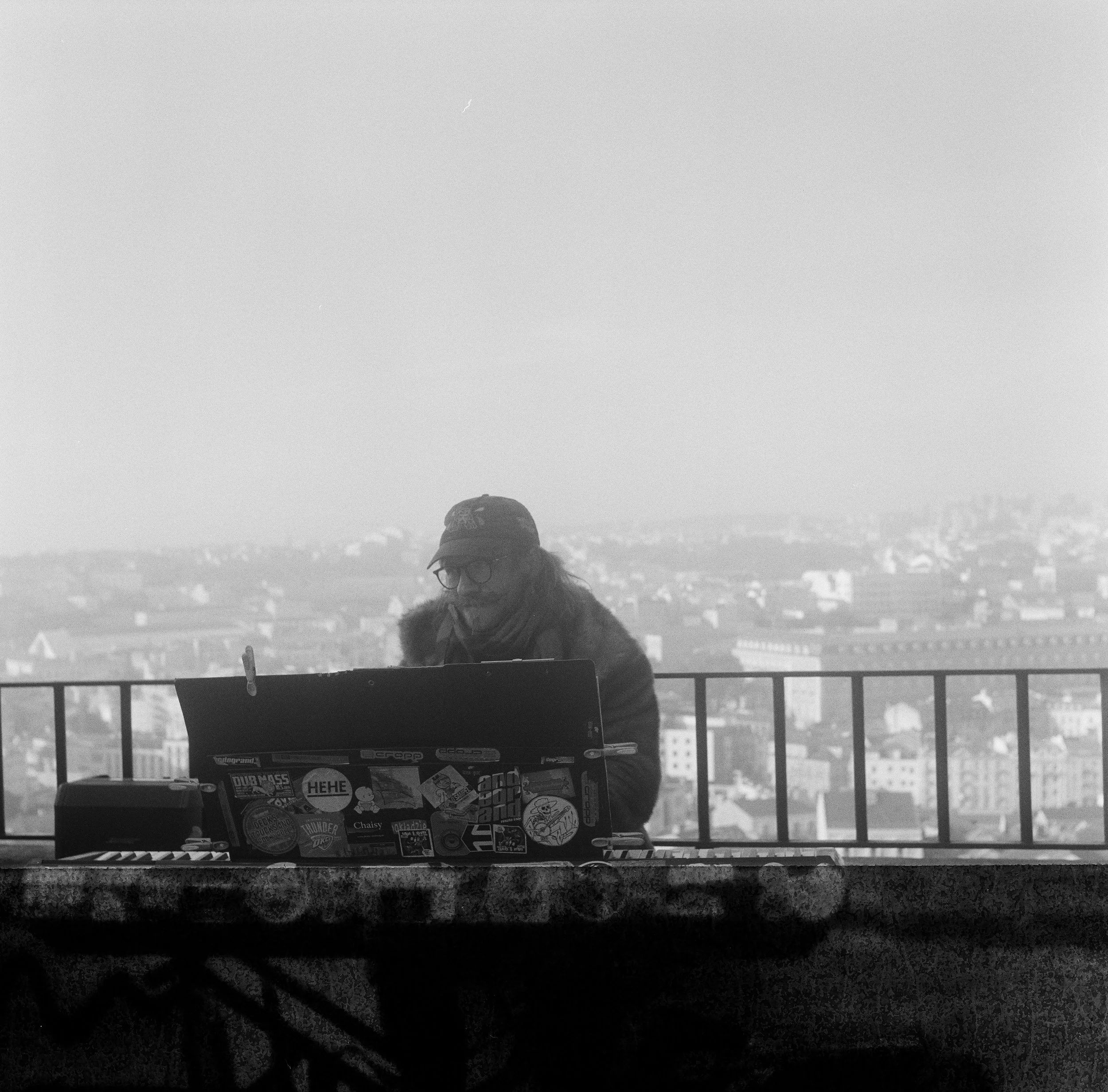
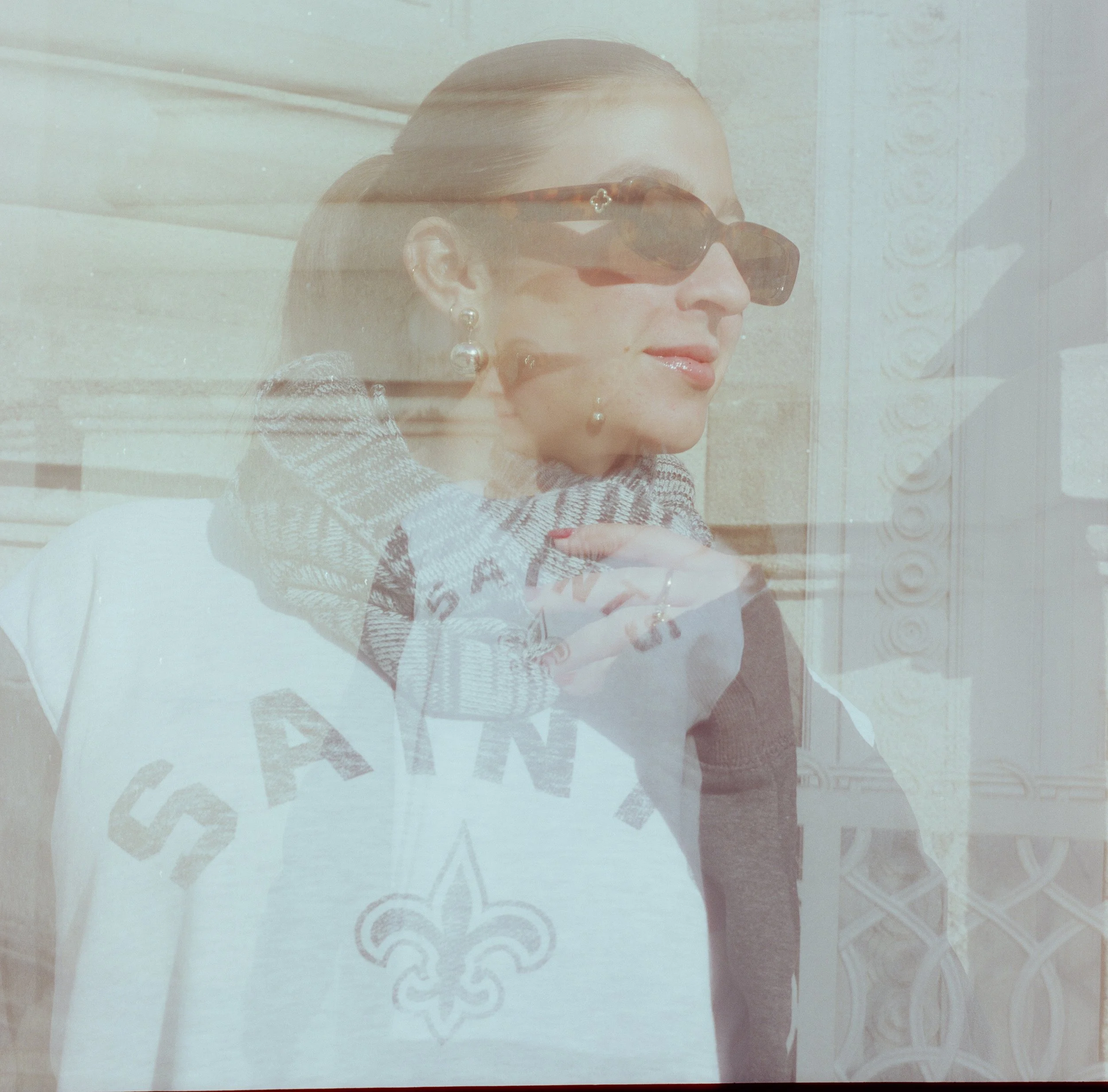
Double exposure shot on medium format film. A visual study on layering context and identity, mirroring the portfolio's theme of complex systems.
View Case Studies
Home