Wavemng
From Utility to Experience — Rethinking Music Platforms
A strategic exploration of how music products evolve beyond passive consumption.
Context
Product Concept:
Interactive music and social layer
Focus:
Shifting users from passive listening to active engagement
Scope:
Independent strategic exploration and business case development
The Bridge:
This project wasn’t about building a streaming service. It was about recognizing when a product has reached a utility plateau, and identifying the emotional and social layers required for its next phase of growth. The same pattern appears in sports, travel, media, and advertising platforms once basic delivery is solved
The Observation
While studying Spotify’s operating model, subscriptions, and feature set, I noticed a consistent pattern:
People consumed enormous amounts of music but barely interacted with the platform itself.
Music was treated as background infrastructure. There was little reason to open the app beyond pressing play, add, or next.
The Real Problem
What we initially believed:
Better personalization and discovery would drive the next phase of growth.
What we realized:
Music is inherently emotional and social; yet the product experience was largely sterile.
Users were:
Sharing music outside the platform
Discovering concerts through fragmented third-party sites
Associating memories with songs, but not with the product
The risk wasn’t churn, the risk was becoming invisible.
The Moment:
Emotion is the highest-leverage data point in consumer products. When you design for memory, identity, and social behavior, products move from utility to culture; and from replaceable to indispensable.
The Strategic Tradeoff
The constraint wasn’t product vision, it was licensing economics.
At the time, we faced two viable paths:
Option A: Build the interaction layer around music
Higher adoption risk, unclear monetization path, but asymmetric upside if behavior shifted.
Option B: Pursue content ownership by competing directly for music rights
Lower conceptual risk, but structurally capped margins and permanent dependence on licensors.
We chose Option A
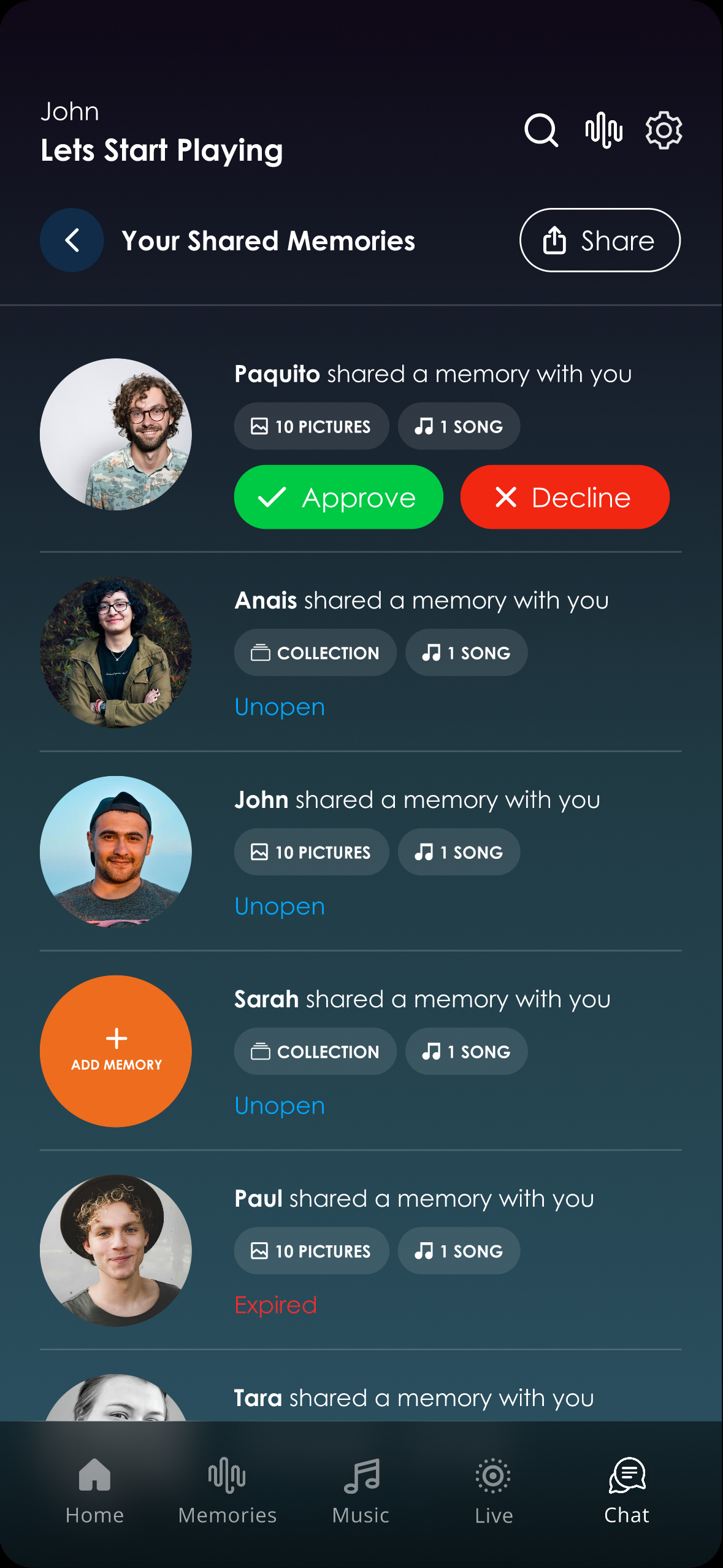
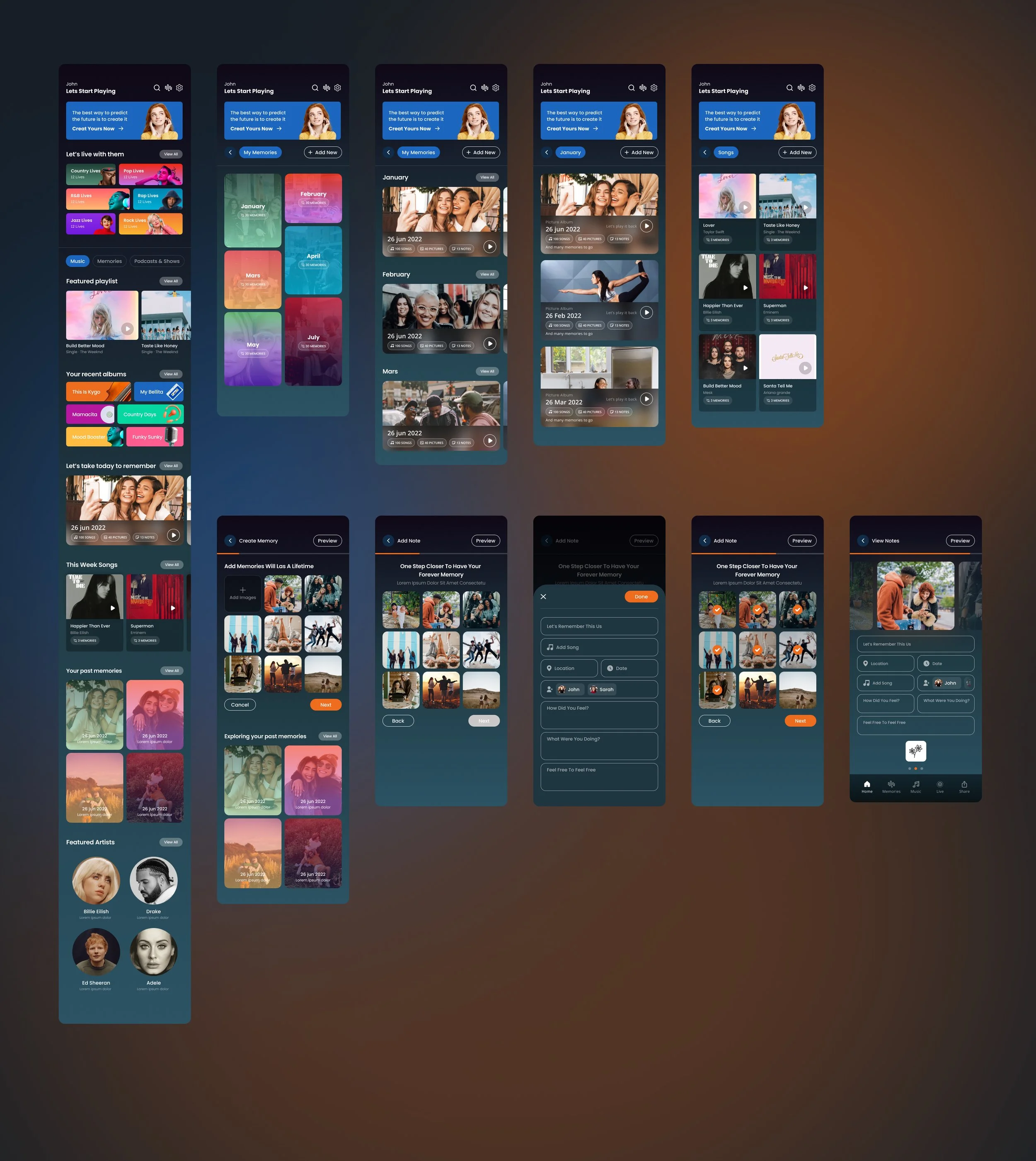
What this meant in practice:
We prioritized:
Social signaling over passive listening.
Video integration (before it was industry standard).
Creator tools.
We deferred:
Catalog completeness
Passive 'lean-back' listening flow
Standard licensing deals.
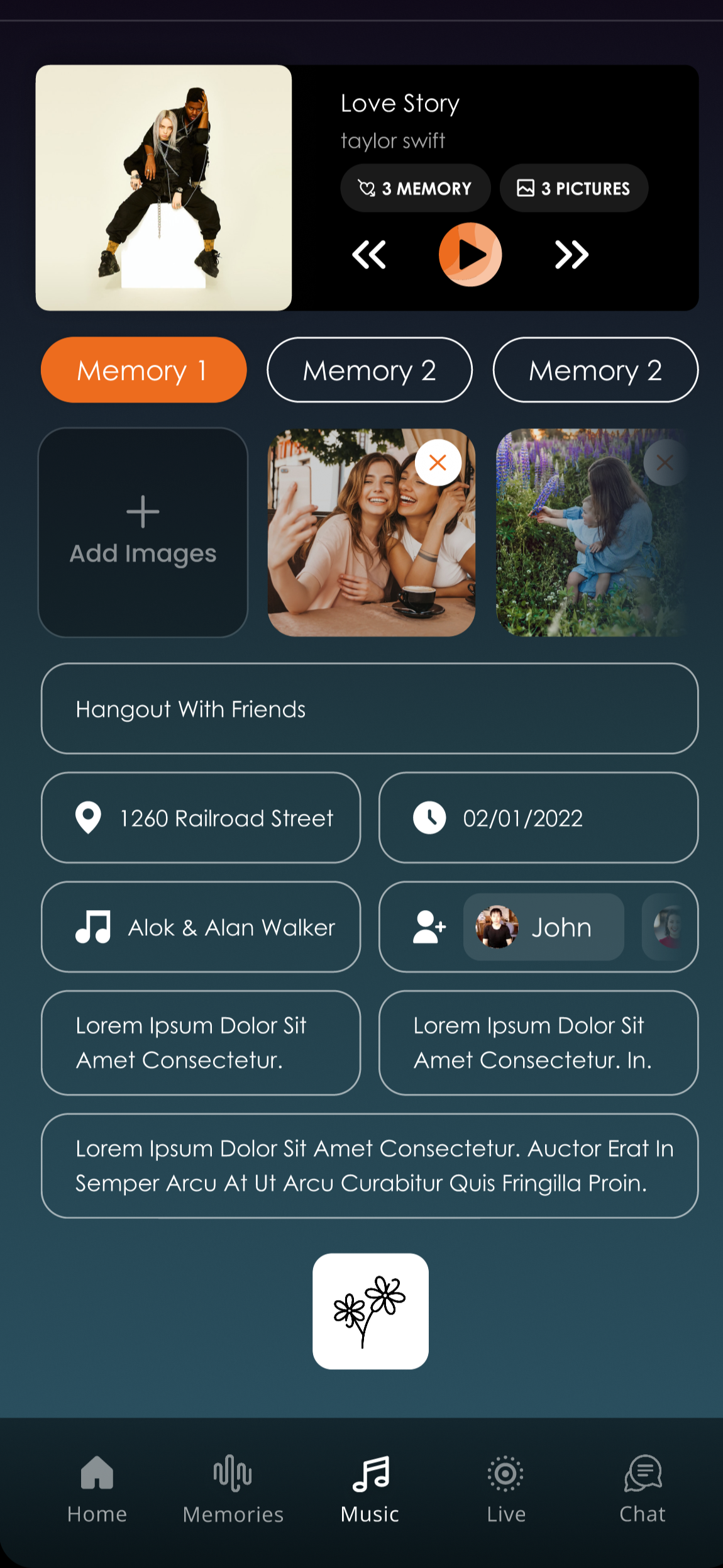
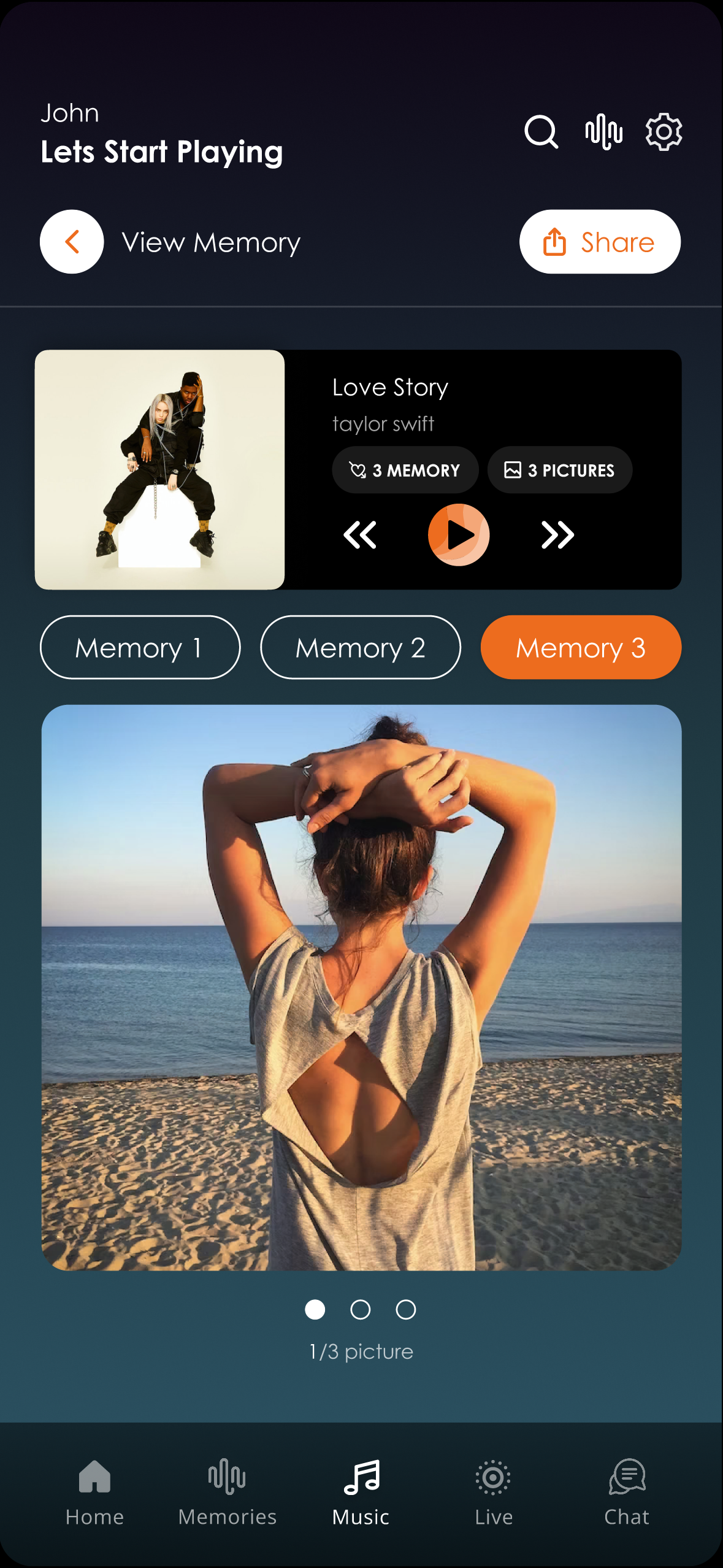
What was unclear at the time
Whether users would adopt emotional and social features inside a music product
Whether identity signaling would outweigh habit-based listening
Whether licensors would tolerate reduced centrality of the audio file
Whether value capture could occur without owning distribution
The bet was that owning how people relate to music would compound faster than owning the file itself.
Outcome
Wavemng did not ship at scale.
That outcome sits with the decision to prioritize behavioral change over incremental adoption. The strategic thesis, however, proved durable. Over the following years, the industry converged on the same direction:
Video integration
In-app ticketing
Social sharing
Creator-first experiences
At the time, choosing not to chase incremental gains meant accepting that this work might never ship — a cost I understood when making the call.