The roadmap survived the org chart.
Two acquisitions landed roughly six weeks apart. Reporting lines, titles, tools, and decision rights all moved at once. My job was to make ownership clear enough that the teams and their roadmaps did not disappear into the integration.
I led product, engineering, and QA managers through the integration as the organization grew from approximately 35 to more than 60 people across 12 cross-functional teams.
The first acquisition was announced with little information about what the combined organization would look like. Six weeks later, Maxar itself was acquired, before the first integration had settled.
My scope expanded to 12 direct reports, including four managers across Product, Technical Product, Engineering, and QA. I directed the integration work across ownership, staffing, capacity, budgets, systems access, and transition planning while those managers kept active delivery moving.
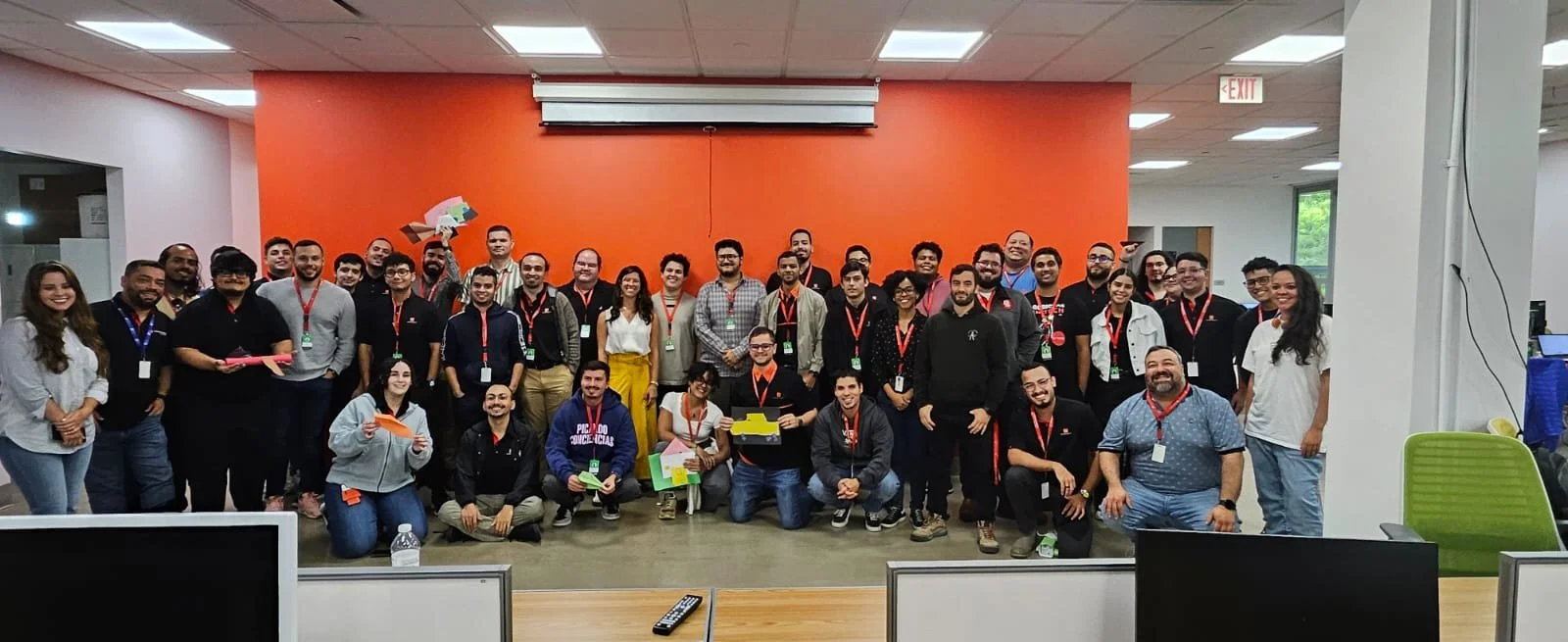
Maxar Puerto Rico, 60+ people spanning engineering, QA, and product.
Role clarity had two layers. The first was operational: who owned the work, who made the decision, and who supported each employee. Some people had effectively ended up with two managers, while systems access prevented others from approving the work they formally owned. We rebuilt reporting relationships around the teams people actually worked with and created explicit temporary decision paths where the systems had not caught up.
The second layer was formal alignment of titles and levels across the two companies. The combined leadership team decided not to change positions during the integration. I disagreed because the two organizations used different titles for comparable (and sometimes unequal) levels of responsibility.
I raised the concern, but I did not turn it into a sufficiently concrete business case early enough to change the decision. The cost appeared later through attrition, compensation concerns, and a weaker sense of belonging. In hindsight, I would have framed it as a capacity and retention risk, with an owner, equivalency criteria, and a deadline for resolution, rather than allowing it to remain an HR issue that might settle with time.
Through both acquisitions, the roadmaps continued moving while we rebuilt the organization around them. Managers had a regular forum to surface uncertainty, teams knew where decisions lived, and transition work had named owners rather than sitting between companies.
After the integration, I moved to lead the 23-person AI Applications portfolio across infrastructure, applications, product, design, QA, and applied science. That was where Site Sentry and Orbis were later built.
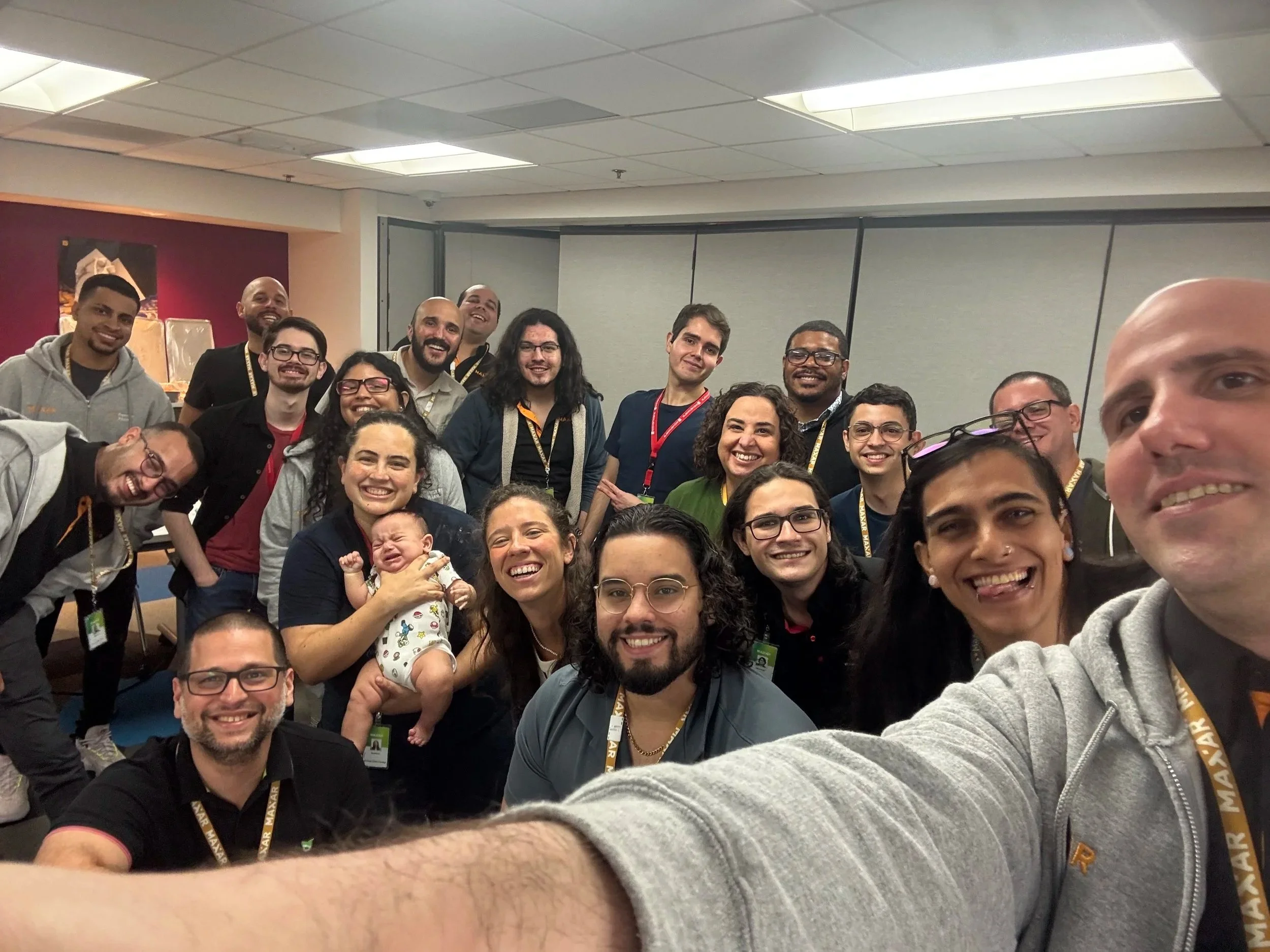
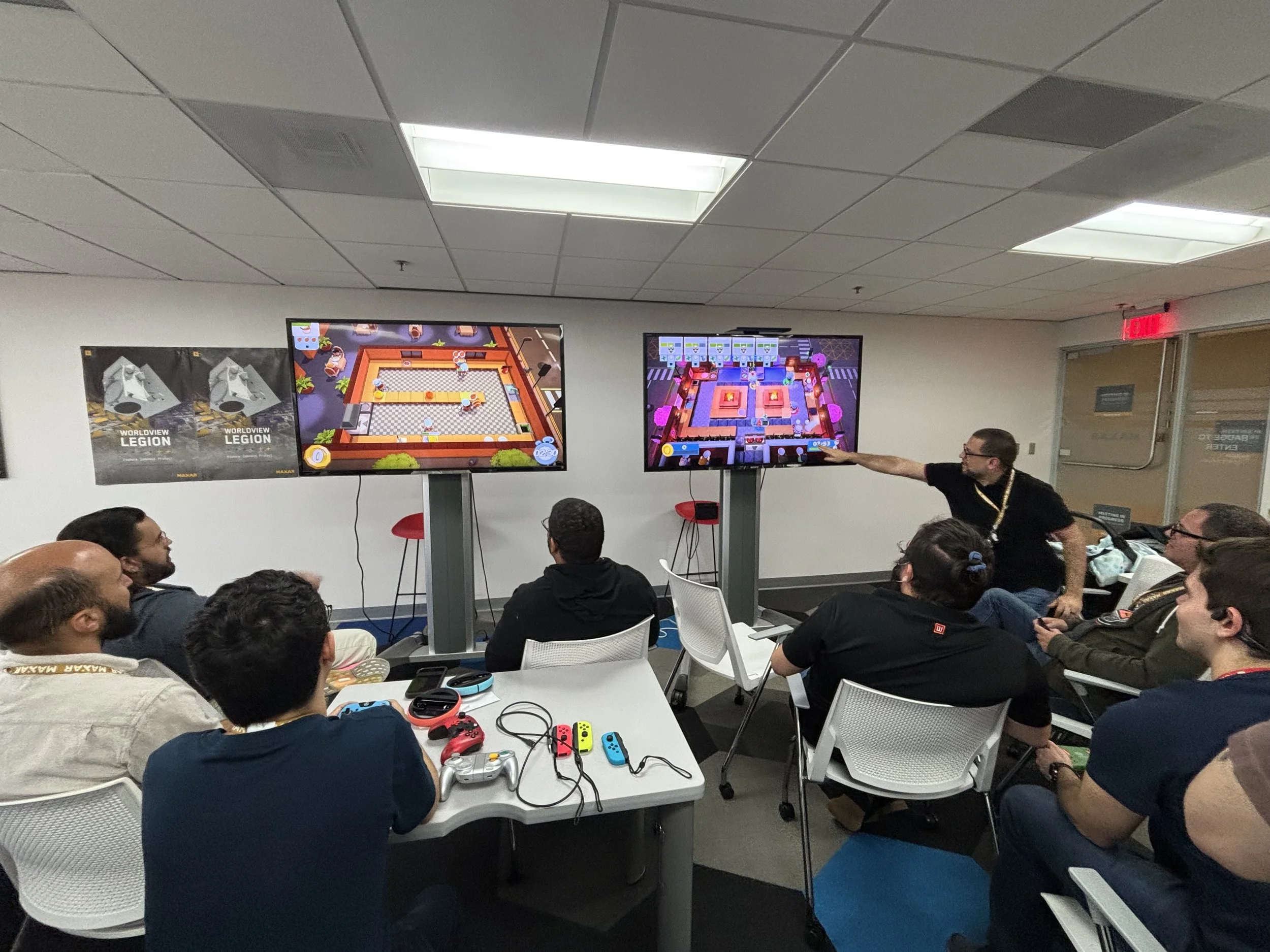
The AI Applications team during a workshop focused on communication, collaboration, and problem-solving.
The acquisition work did not produce those products. It changed how I led the organization that did: make ownership visible, give managers enough context to decide, and do not let temporary ambiguity become the permanent operating model.
What this involved
- Two acquisitions roughly six weeks apart
- 35 → 60+ people across the combined product and technology organization
- 12 cross-functional teams supported through integration
- 12 direct reports, including four managers across Product, Technical Product, Engineering, and QA
- Integration ownership across capacity, staffing, budgets, systems access, reporting relationships, and delivery
- Next leadership scope: a 23-person AI Applications portfolio where Site Sentry and Orbis were later built